

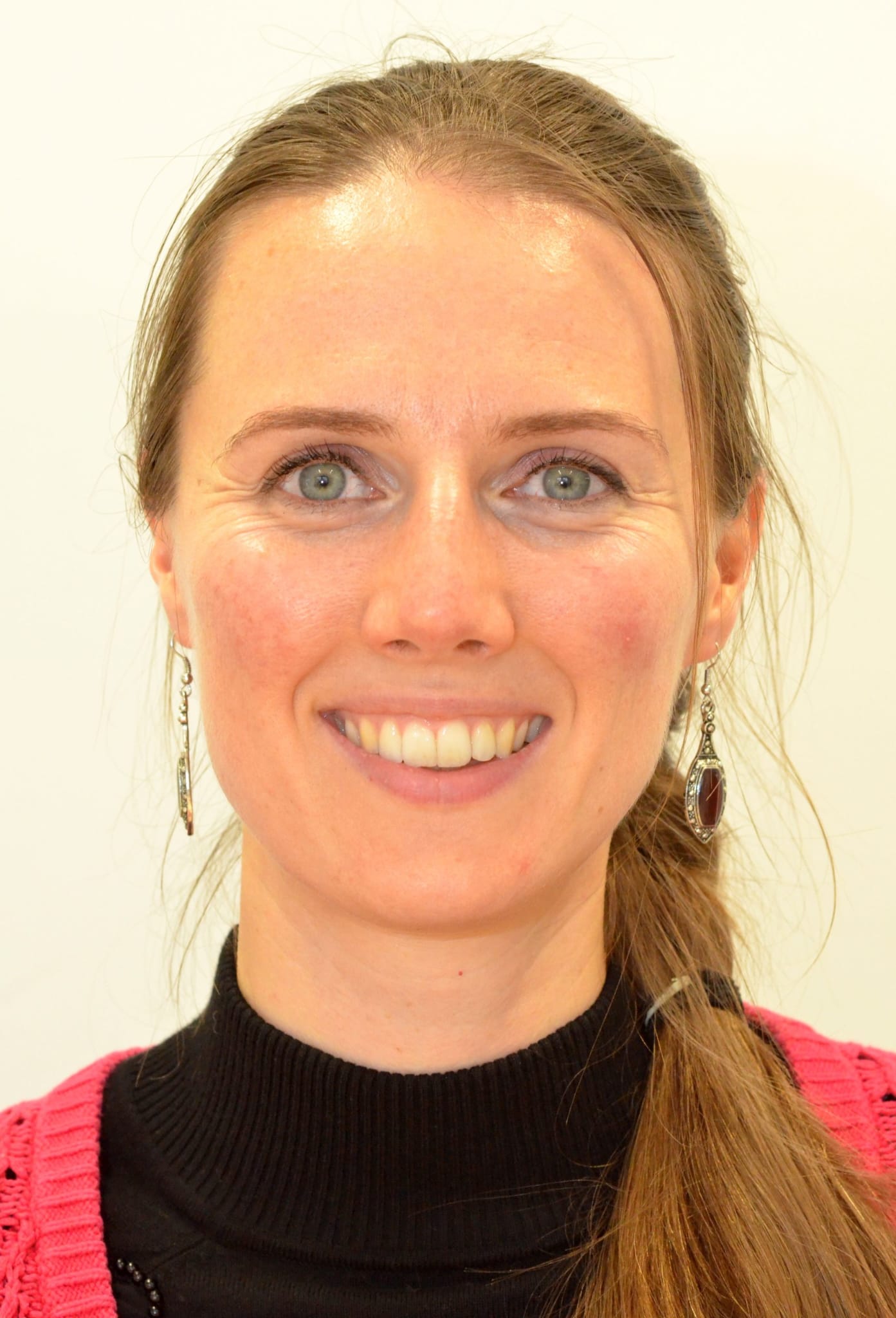
Annelies Declercq
Professor Annelies M. Declercq, PhD, is a distinguished expert in aquaculture and leads the Laboratory of Aquaculture and Artemia Reference Center (ARC) at Ghent University, Belgium. She holds a PhD in Fish Diseases from the Faculty of Veterinary Medicine in Merelbeke, complemented by a Master’s degree in Aquaculture from the Faculty of Bioscience Engineering in Ghent. As an Associate Professor, she directs two prominent international training programs: the Erasmus program on Health Management in Aquaculture and the Master of Science in Aquaculture.
Together with her team at ARC, Prof. Declercq focuses on four key research areas:
Live feed organisms and their culture techniques – with a primary focus on Artemia, rotifers, and microalgae, investigating their nutritional value, enrichment strategies, and gene expression under different culture conditions. The lab has also developed a gnotobiotic Artemia model to study the impact of pathogens, probiotics, and various chemical or biological compounds.
Aquatic microbial management – exploring host-pathogen interactions and the influence of microorganisms on commercially relevant aquaculture species, including marine and freshwater fish, bivalves, shrimp, and Artemia.
Blue growth and sustainability in aquaculture – researching alternative aquaculture methods, such as offshore oyster farming (Ostrea edulis) and RAS techniques for larval crustaceans, as well as alternative feed protein sources like Artemia and insect larvae. The lab also contributes to marine nature restoration projects, including oyster reef restoration in offshore wind farms.
Valorization of unused aquaculture biomass – investigating how aquaculture and industrial by-products, such as fish skin from filleting, can serve as valuable resources for human and veterinary health applications (e.g., collagen for wound bandages) and exploring the role of brine shrimp in organic waste purification.
Prof. Declercq’s research significantly advances sustainable aquaculture and enhances the well-being of aquatic animals worldwide.
